
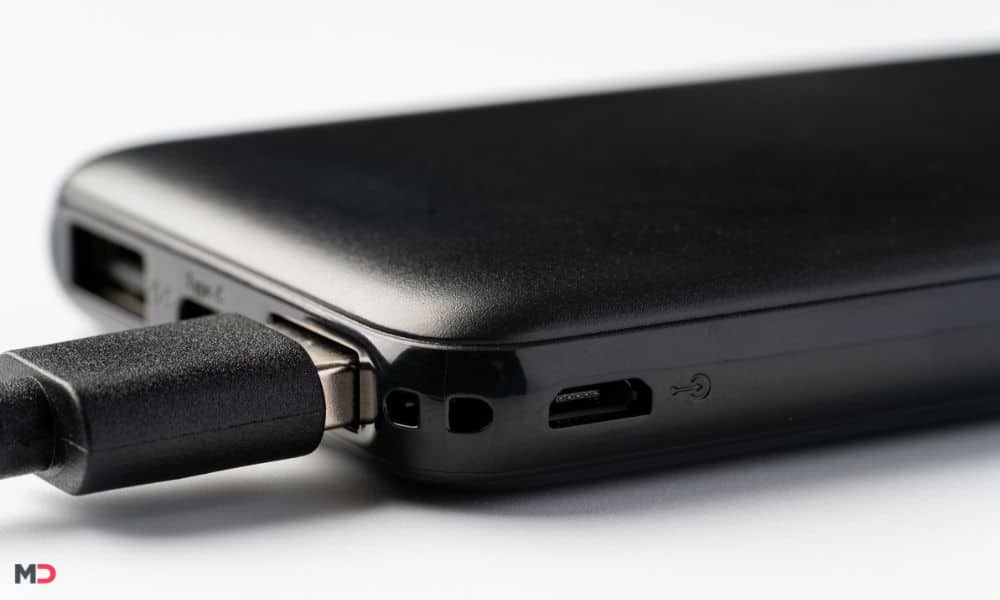

Materials play a bigger role in everyday carry tech than most people realize.
Once tech is carried daily, it stops living in controlled environments and starts dealing with friction, pressure, and constant handling.
The materials used in EDC tech affect how devices feel in the hand, how they hold up over time, and how they age with regular use.
Housing materials, coatings, and even small components like buttons and ports can determine whether a device feels durable or disposable after a few months.
Many tech products look similar on the surface, but material choices often explain why some age well and others fall apart quickly.
Scratches, dents, loose buttons, and worn finishes usually trace back to how materials were selected and combined.
Understanding tech materials for everyday carry is less about specs and more about behavior.
How materials wear, flex, and respond to daily use matters far more than how they look on day one.
Metal vs Plastic Housings
The biggest material difference in everyday carry tech is between metal and plastic housings.
Once devices are carried daily, that choice affects durability, feel, and long-term wear more than almost anything else.
Metal housings provide rigidity and structure.
They resist flexing, protect internal components, and tend to age in predictable ways.
Scratches and scuffs show over time, but they usually do not compromise function.
Metal also adds a sense of density and balance that many people associate with durability.
Plastic housings prioritize weight and cost.
They can be perfectly functional, especially for lighter devices, but they often reveal wear faster.
Stress points around ports, seams, and buttons are more likely to loosen or crack with repeated handling.
Once plastic begins to degrade, it can feel fragile even if it still works.
Neither material is universally better.
Metal works well for tech that is handled constantly or carried alongside other items.
Plastic can make sense for devices where weight matters more than long-term wear.
For everyday carry, the key difference is how each material responds to repetition.
I repeat, repetition, which is exactly how things work in the world of EDC.
Understanding this distinction helps explain why some tech ages gracefully while other devices feel worn out long before they stop working.
Aluminum vs Titanium in EDC Tech
When everyday carry tech uses metal housings, aluminum and titanium are the two most common choices.
While they may look similar at a glance, they behave differently once devices are carried and handled every day.
Aluminum is lightweight, easy to machine, and cost-effective.
It works well for tech that needs to stay light and slim, especially items that live in a bag rather than a pocket.
Over time, aluminum tends to show wear through scratches and dents, particularly along edges and corners.
That wear is usually cosmetic, but it can change how a device feels in the hand.
Titanium prioritizes strength and durability.
It resists denting better than aluminum and holds its structure under repeated pressure.
Scratches still happen, but they tend to look different and spread more evenly rather than concentrating at impact points.
Titanium also feels denser and more solid, which many people associate with long-term quality.
The trade-off is cost and weight.
Titanium is more expensive to work with and slightly heavier than aluminum.
For everyday carry tech, it often shows up in smaller devices where durability and feel matter more than minimizing weight.
For daily use, aluminum favors lightness and affordability, while titanium favors longevity and resilience.
Which one makes more sense depends on how often the tech is handled and how much wear it is expected to take.
Coatings, Finishes, and Surface Treatments
Surface treatments often matter as much as the base material in everyday carry tech.
Coatings and finishes affect grip, wear patterns, and how a device feels after months of use.
Anodized finishes are common on aluminum housings.
They add color and corrosion resistance, but they also influence how wear shows up.
Light scratches may blend in, while deeper marks can cut through the finish and reveal the raw metal underneath.
Over time, this creates visible wear patterns, especially on edges and contact points.
Painted and rubberized coatings change how tech feels in the hand, but they tend to age faster.
Rubberized finishes can peel or become sticky with constant contact, heat, and sweat.
Painted surfaces may chip or wear unevenly, which can make a device feel worn sooner than expected.
Bare or lightly finished metals tend to age more honestly.
Scratches and scuffs appear, but they usually stay consistent and predictable.
For everyday carry, finishes that wear evenly are often easier to live with than coatings that fail suddenly.
Surface choices should match how a device is used.
Tech that is handled constantly benefits from finishes that tolerate friction and contact without degrading.
In daily carry, subtle wear is usually preferable to fragile perfection.
Buttons, Ports, and High-Wear Areas
In everyday carry tech, failures rarely start with the main body.
They almost always begin at the small, frequently used components.
Buttons, ports, and seams take more abuse than any other part of a device.
Buttons are pressed hundreds of times over their lifespan.
Materials that feel solid at first can loosen, lose tactile feedback, or stop responding consistently with repeated use.
Poorly supported buttons often become the first sign that a device is wearing out.
And, if you have kids like me, you will know that protecting and limiting all that pressing is a must, or you’ll find yourself buying something that shouldn’t need replacing.
Ports deal with constant stress from plugging, unplugging, and movement while connected.
Materials around charging ports and connectors matter more than the port itself.
Reinforced housings and clean tolerances help prevent wobble, cracking, and internal strain over time.
Edges, corners, and seams also see concentrated wear.
These areas rub against pockets, bags, and other gear, which accelerates surface damage.
Devices designed with reinforced stress points tend to age far better than those that rely on thin material or decorative design alone.
For everyday carry, durability is cumulative.
The tech that lasts longest is usually the tech where these high-wear areas were designed first, not treated as an afterthought.
Internal Components and Structural Support
What you do not see often matters just as much as what you do.
In everyday carry tech, internal structure determines whether a device feels solid months later or starts to feel loose and fragile.
Good internal support keeps components from shifting under repeated handling.
Frames, brackets, and internal reinforcement help distribute stress away from buttons, ports, and seams.
Without that support, small movements add up and lead to rattling, flexing, or inconsistent performance.
Lightweight designs sometimes sacrifice internal structure to save space or cost.
While this can make tech feel slim at first, it often shows up later as creaks, misaligned buttons, or weakened ports.
Devices that feel slightly overbuilt internally tend to age better under daily use.
For everyday carry, internal design should reinforce confidence.
Tech that feels stable when squeezed, pressed, or handled one-handed usually stays that way longer.
Structural integrity is not something most people think about, but it is something they notice once it is gone.
How Materials Affect Long-Term Feel
One of the biggest differences between everyday carry tech and desk-bound devices is how they feel over time.
Materials influence not just durability, but the relationship you develop with the device through daily use.
Some materials soften and become more comfortable.
Edges wear down slightly, surfaces smooth out, and the device feels more familiar in the hand.
Other materials degrade in less pleasant ways, becoming loose, uneven, or fragile-feeling, even if the tech still functions.
Long-term feel is often what determines whether a piece of tech stays in rotation.
Devices that age predictably build trust.
You know how they will feel when you pick them up, and that consistency matters more than appearance alone.
For everyday carry, materials should support repeated handling without demanding extra care.
When the feel of a device improves or at least stays consistent over time, it becomes easier to keep using it daily instead of replacing it.
Materials shape how everyday carry tech lives with you over time.
The right choices lead to devices that stay solid, predictable, and easy to use despite constant handling and movement.
When tech is designed around daily carry instead of occasional use, materials stop being a spec and start being a foundation.
Understanding how housings, finishes, and internal structure behave in real use makes it easier to choose tech that lasts and feels right long after the first few weeks.