
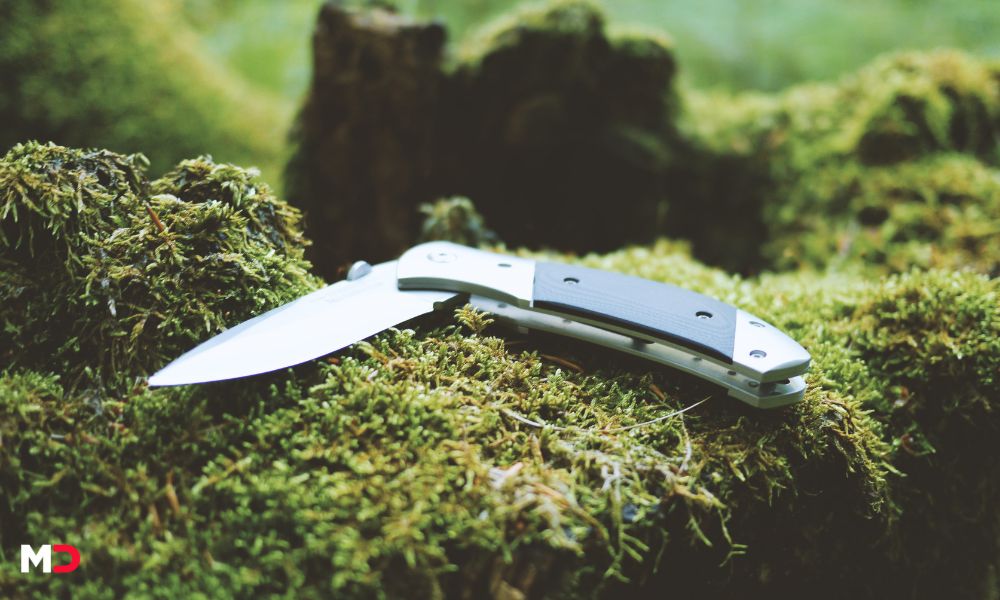

There are a few knife lock types that you should know about, unless you want to be that guy who doesn’t know how to close a pocket knife.
Don’t be that guy.
Knife locks are one of the most important — and most overlooked — parts of everyday carry.
The lock determines how a knife feels, how it deploys, how secure it is under pressure, and how confidently you can use it.
While the blade gets most of the attention, the lock is the functional core of a folding knife and is beyond important for your safety.
I’m sure we’ve all held some kind of folding knife at one point in our lives and wondered how in the world do I open this thing?
Or, if it was handed to you in the open position, how in the world do I close this thing.
Not only is it important for handling and using the knife but it will save you from hurting yourself.
To save you from injury and looking like a noob, here’s a breakdown of the most common lock types used in modern EDC knives, how they work, and what each one is best suited for.
Frame Lock
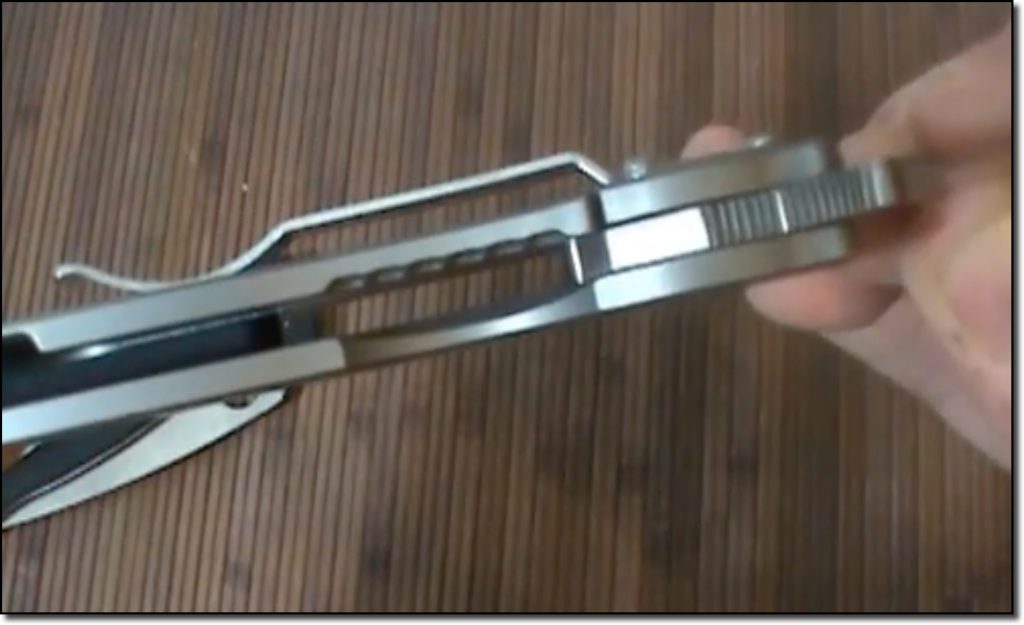
The Frame lock is a popular choice among knife enthusiasts due to its robust design.
It utilizes a portion of the handle to secure the blade in place when opened, providing a strong and reliable lockup.
This type of lock is particularly favored for heavy-duty tasks, as it can handle significant pressure without slipping.
However, it may require some effort to disengage, which can be a drawback for those seeking quick one-handed operation.
Understanding the mechanics of each lock type will enhance your overall knife experience and ensure you’re equipped for any situation.
How it feels: solid and confident, especially in titanium designs.
Strengths: excellent strength, wide contact area, simple operation.
Best for: hard-use or premium knives.
Liner Lock
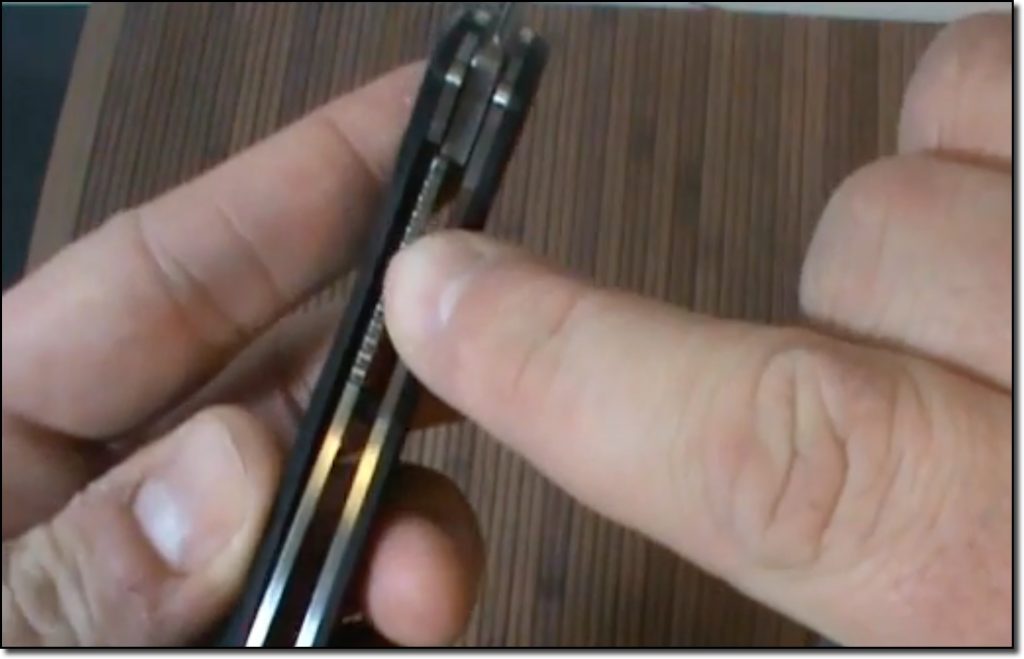
The liner lock is the most used lock in modern day folding knives.
A liner lock uses a thin metal liner inside the handle that springs inward to lock the blade.
Functionally similar to a frame lock but with internal support.
This mechanism allows for a lightweight design while still providing robust locking capabilities.
Users often appreciate the ease of engagement, as it can be released with one hand, making it practical for everyday carry.
However, the internal liner can wear over time, potentially affecting the lock’s reliability.
Despite this, many enthusiasts prefer liner locks for their balance of strength and accessibility, making them ideal for a variety of cutting tasks.
Overall, the liner lock remains a popular choice among both casual users and serious collectors.
How it feels: familiar and smooth.
Strengths: affordable, versatile, easy to use.
Best for: everyday and budget-friendly folders.
Axis Lock (and Crossbar Variants)
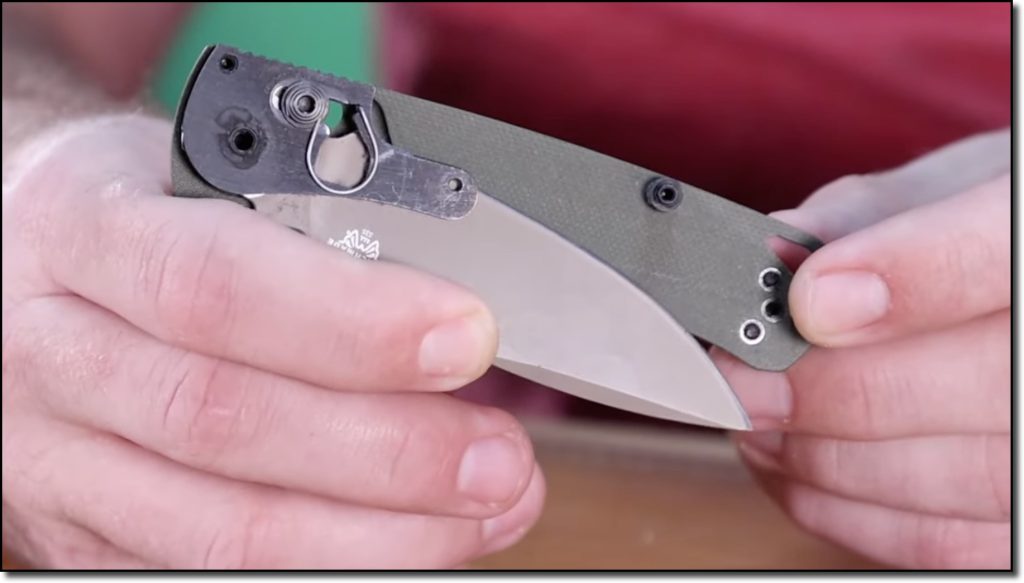
The axis lock is regarded for its unique mechanism that provides a secure lock while allowing for ambidextrous use.
A horizontal bar moves along a track and snaps behind the blade tang when the blade is opened.
Originally a Benchmade innovation, now widely used.
This feature makes it particularly appealing to both left- and right-handed users.
The smooth action of the Axis lock enables swift blade deployment, enhancing its practicality in various situations.
Additionally, the lock’s durability and strength make it suitable for heavier-duty tasks, giving users confidence in its performance.
Overall, the Axis lock offers a blend of innovation and reliability that attracts many knife enthusiasts.
How it feels: extremely smooth, ambidextrous, fidget-friendly.
Strengths: strong, safe, easy one-handed use.
Best for: EDC and users who want ambidextrous operation.
Compression Lock
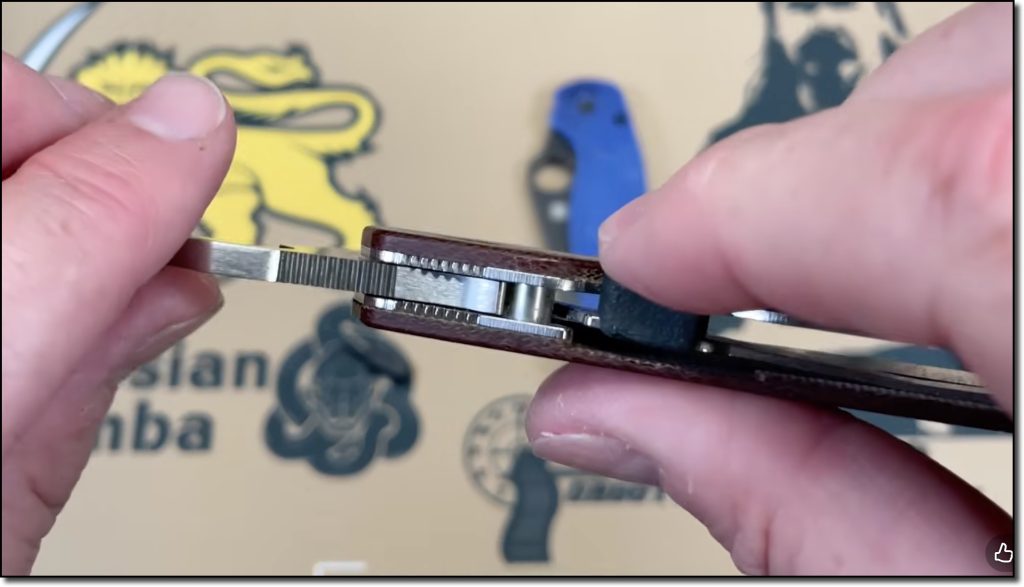
The Compression Lock design allows for rapid blade access while maintaining a secure hold during use.
A spring-loaded leaf sits between the blade tang and the stop pin, creating a wedged, high-strength lockup.
Its unique mechanism offers a strong lock-up, reducing the risk of accidental closure.
Users appreciate the ergonomic handle, which provides a comfortable grip even under strenuous conditions.
Ideal for both everyday carry and tactical applications, the Compression Lock has gained a loyal following among outdoor enthusiasts and professionals alike.
Its robust construction ensures that it can withstand rigorous demands while delivering consistent performance.
How it feels: secure and controlled, with fingers safely out of the blade path.
Strengths: strong for its size, easy one-handed closing.
Best for: compact knives needing extra strength and an excellent fidget toy.
Back Lock
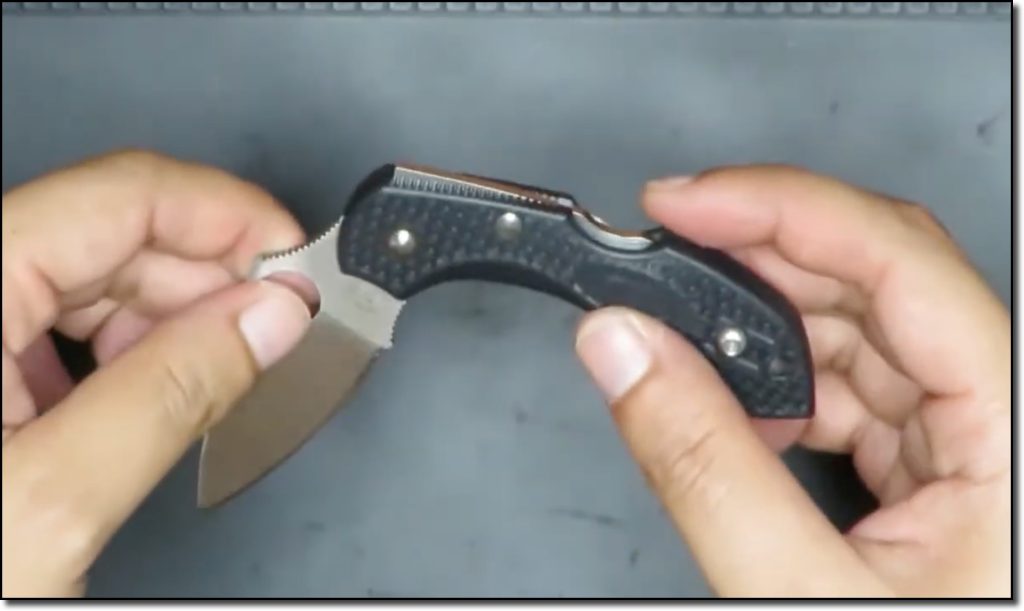
The Back Lock design allows for smooth blade operation, making it a favorite among users who prioritize reliability.
Its intuitive mechanism ensures that the blade remains securely in place until intentionally disengaged.
A rocker arm along the spine engages a notch on the blade tang to hold it open.
This feature is particularly beneficial in high-stress situations, where quick access to the blade is crucial.
Additionally, with its lightweight materials, the Back Lock is easy to carry without sacrificing durability.
Users often highlight the simplicity of maintenance, as the design minimizes potential points of failure.
How it feels: deliberate and stable.
Strengths: extremely reliable, ambidextrous, glove-friendly.
Best for: outdoor knives and traditional designs.
Slip Joint (Non-Locking)
The Slip Joint is actually not a locking “lock,” but it is one of the ways knives operate.
Unlike traditional locking knives, a tensioned spring keeps the blade open but does not lock it.
Many include a “half-stop.”
This design allows for a smooth opening and closing action, making it user-friendly for various tasks.
The half-stop feature enhances safety by preventing accidental closure while using the blade.
Slip joints are often favored for their lightweight and compact nature, making them ideal for everyday carry.
Their versatility makes them suitable for both casual users and outdoor enthusiasts.
The classic aesthetic appeals to those who appreciate traditional craftsmanship and functionality in their tools.
The video above explains it a little better so you can understand how it actually works and how dangerous it can be if you aren’t educated.
How it feels: controlled and classic.
Strengths: simple, legally safe in many regions.
Best for: light-duty or travel-friendly carry, and those who are into the old-school pocket knife style
Button Lock
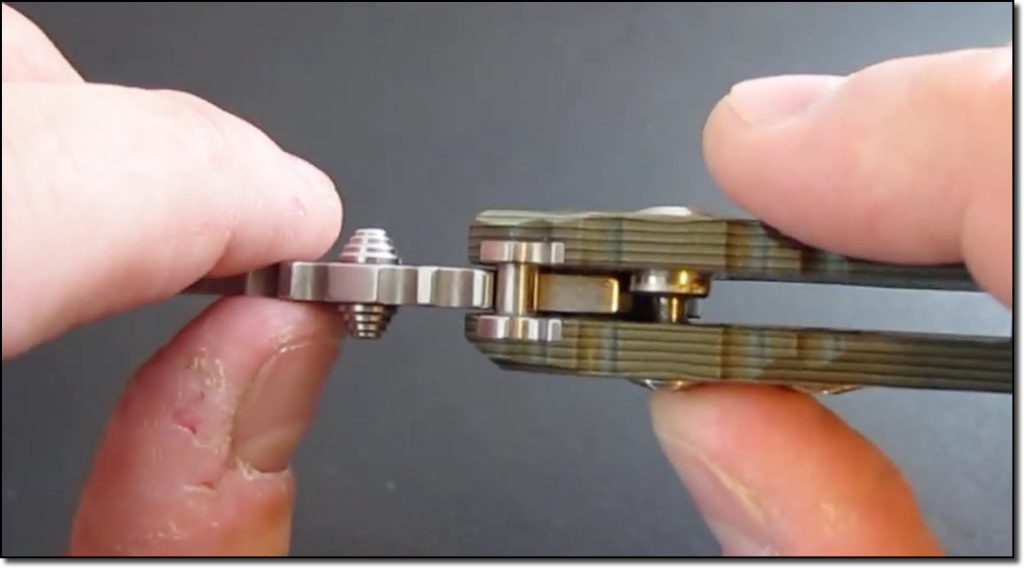
The button lock mechanism provides an added layer of security, ensuring the blade remains locked during use.
A plunger-style button releases the blade when pressed, allowing smooth closing.
Its one-handed operation is particularly advantageous for users who need to deploy the knife swiftly.
This design caters to both novice and experienced users, offering ease of use without compromising safety.
Additionally, the robust construction of button lock knives makes them suitable for various tasks, from everyday chores to more demanding outdoor activities.
The modern aesthetics combined with reliable functionality make this style appealing to a wide range of knife enthusiasts.
How it feels: intuitive and modern.
Strengths: easy operation, excellent for flippers or thumb-stud knives.
Best for: modern EDC designs focused on smooth action.
Which Lock Type Is Best?
Each lock offers a different experience, which is why it’s not one-size-fits-all.
Considerations for choosing the right lock type include personal preference and intended use.
Some users may favor liner locks for their simplicity and reliability, while others might prefer frame locks for added durability.
Compression locks are becoming increasingly popular due to their unique mechanism and safety features.
Ultimately, the best choice depends on the user’s specific needs, whether for everyday carry or specialized tasks.
A deep understanding of each lock type enhances the overall knife experience, ensuring satisfaction with the selected model.
The best lock is the one that fits how you carry.