
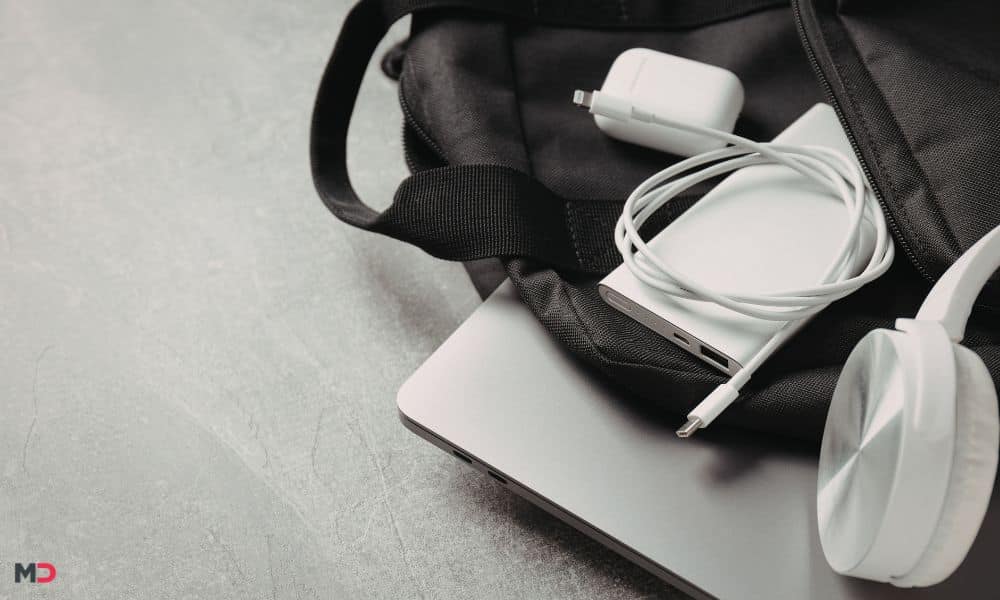

Most tech is designed to live on a desk or sit untouched in a bag.
Everyday carry tech lives a very different life.
It gets handled constantly, moved between environments, and used in short bursts throughout the day.
When tech becomes part of everyday carry, priorities shift, and understanding how everyday carry changes priorities helps explain why some devices work better than others.
Size matters more than features.
Durability matters more than specs.
Buttons, ports, and materials matter more than performance benchmarks that rarely affect daily use.
A piece of tech that works well on paper can quickly become frustrating when it is carried every day.
Sharp edges, awkward interfaces, fragile components, and unnecessary complexity show up fast once the device leaves controlled environments.
Understanding what makes tech gear good for everyday carry helps separate useful tools from things that simply look impressive in product photos.
It sets realistic expectations and makes it easier to choose tech that fits naturally into daily routines instead of fighting them.
Everyday Carry Tech vs Desk Tech
Tech designed for everyday carry solves a different problem than tech designed for desks or home setups.
The difference shows up quickly once a device is carried and used throughout the day.
Desk tech prioritizes performance, screen size, and feature depth.
It assumes stable surfaces, controlled environments, and long sessions of use.
In that context, weight, sharp edges, and exposed components matter less.
Everyday carry tech is handled constantly and often one-handed.
It gets pulled out briefly, put away quickly, and used in less-than-ideal conditions.
Comfort, durability, and ease of use become more important than raw capability.
This is why some devices feel perfect on a desk but frustrating in daily carry.
They may be powerful, but they are awkward to handle, easy to damage, or annoying to access.
EDC tech works best when it is simple, resilient, and easy to live with.
Understanding this distinction helps set expectations.
Not all good tech is good everyday carry tech, and that separation matters when choosing what earns a place in your bag or pocket.
Size and Pocketability
Size is one of the biggest factors that determines whether tech actually gets carried every day.
Devices that are even slightly too large, too thick, or too awkward tend to get left behind, no matter how useful they are in theory.
Everyday carry tech should move easily between pockets, bags, and hands.
Sharp edges, bulky housings, and uneven weight distribution become noticeable quickly when a device is handled repeatedly throughout the day.
Tech that feels fine on a desk can feel cumbersome when it is constantly picked up, put down, and carried.
Pocketability is not just about fitting.
It is about how naturally a device sits alongside other items.
Slim profiles, rounded edges, and balanced weight make tech easier to carry without constantly adjusting or worrying about damage.
For bag carry, size still matters.
Smaller tech items are easier to organize, easier to access, and less likely to shift or collide with other gear.
As tech grows larger, it demands more space and attention, which can make everyday carry feel heavier and more complicated than it needs to be.
In everyday carry, the best tech is often the tech you barely notice until you need it.
Materials and Durability
Materials matter more for everyday carry tech than they do for desk-bound devices.
Once tech is carried daily, it is exposed to friction, pressure, temperature changes, and repeated handling that quickly reveal how materials behave under daily use over time.
Metal housings tend to hold up better over time.
Aluminum and titanium resist flexing and protect internal components, while also aging in predictable ways.
Plastic housings can work, but they often show wear faster at stress points and edges, especially when carried alongside other items.
Coatings and finishes also play a role.
Rubberized surfaces can improve grip but may degrade or peel with constant contact.
Smooth finishes may show scratches sooner, but they are often easier to live with long term because wear stays consistent.
Durability in EDC tech is rarely about impact resistance alone.
Ports, seams, buttons, and connection points usually fail before the main body does.
Materials that support these areas and resist loosening or cracking tend to perform better in daily carry.
For everyday carry, durability should feel understated.
The best tech holds up quietly, without forcing you to handle it carefully or think about protecting it every time you use it.
Interfaces, Buttons, and Controls
Interfaces matter far more in everyday carry than they do in desk use.
When tech is carried daily, it is often used quickly, one-handed, and without much attention.
Small usability issues show up fast.
Buttons and controls need to be easy to find and reliable to press.
Flush buttons, overly sensitive touch surfaces, or complex input combinations can be frustrating when a device is used on the move.
Clear tactile feedback helps reduce mistakes and makes tech easier to use without looking.
Touchscreens work well on desks, but they are not always ideal for everyday carry.
Accidental touches, smudges, and the need for visual focus can slow things down.
Physical controls often perform better in short, repeated interactions.
Consistency also matters.
Interfaces that behave predictably build trust over time.
Tech that requires relearning or careful handling tends to fall out of daily use, even if it offers more features.
For everyday carry, the best interfaces feel obvious.
You know where to press, what will happen, and how to put the device away quickly once you’re done.
Power, Charging, and Battery Reality
Battery life is one of the fastest ways everyday carry tech succeeds or fails.
In daily use, tech is rarely charged on a fixed schedule.
It is topped up opportunistically, used in short bursts, and expected to be ready when needed.
Large batteries and fast charging look good on spec sheets, but reliability matters more.
A device that holds a consistent charge over time is more useful than one that charges quickly but drains unpredictably.
Battery degradation becomes noticeable much sooner in tech that is used and recharged frequently throughout the day.
Charging methods also matter.
Standard, widely used connectors make everyday carry easier.
Proprietary cables or uncommon ports add friction and increase the chances that a device ends up dead when you need it.
Simple, universal charging solutions fit better into real routines.
For everyday carry, power should feel effortless.
The best tech does not require constant planning around charging.
It stays ready through regular use and fits naturally into the charging habits you already have.
Why Simple Tech Lasts Longer
In everyday carry, simplicity is often the difference between tech that sticks and tech that gets replaced.
Fewer features usually mean fewer failure points, fewer interfaces to manage, and fewer things that can go wrong during daily use.
Simple tech is easier to understand, easier to maintain, and easier to trust.
It does what it is supposed to do without demanding attention or careful handling.
Over time, that reliability matters more than having the latest feature set or the most impressive specifications.
Devices designed with everyday carry in mind tend to age better.
They wear in predictably, remain usable as habits change, and continue to fit naturally into daily routines.
Complex tech may feel exciting at first, but it often becomes frustrating once novelty wears off.
For everyday carry, lasting value comes from tech that stays useful, not tech that tries to do everything.
When simplicity guides design, tech becomes a tool rather than a distraction, which is exactly what everyday carry demands.