


When people talk about titanium in everyday carry, they usually focus on the material itself.
Strength, weight, corrosion resistance.
What often gets overlooked is the finish.
In daily carry, finish matters just as much as the metal underneath.
It affects how gear wears, how scratches show up, how it feels in the pocket, and how it looks after months or years of use.
Two titanium tools made from the same stock can age very differently depending on how they are finished.
Stonewashed, bead blasted, and polished titanium each behave differently once they leave the product photos and enter real life.
Some hide wear.
Some highlight it.
Some look great out of the box and frustrating a week later.
If you actually carry your gear every day, understanding titanium finishes is not about aesthetics.
It is about choosing something that still looks and feels right after real use.
What a Titanium Finish Actually Is
A titanium finish is not a coating or a surface treatment added for looks.
It is the final texture left on the metal after machining and finishing processes are complete.
Titanium is typically CNC machined from solid stock.
After that, the surface is altered mechanically to achieve a specific texture.
That texture determines how the metal reflects light, how it feels to the touch, and how it shows wear over time.
Because titanium is harder and more elastic than aluminum, it behaves differently once finished.
Scratches do not chip or flake.
They blend, soften, or stand out depending on the finish.
Over time, the surface develops wear that reflects use rather than damage.
This is why finish matters so much for everyday carry.
You are not choosing how the tool looks on day one.
You are choosing how it will look and feel after months of being in your pocket, on your desk, or in your hand.
Stonewashed, bead blasted, and polished finishes each interact with wear in very different ways.
Understanding that behavior is the key to choosing the right one for real-world carry.
Stonewashed Titanium
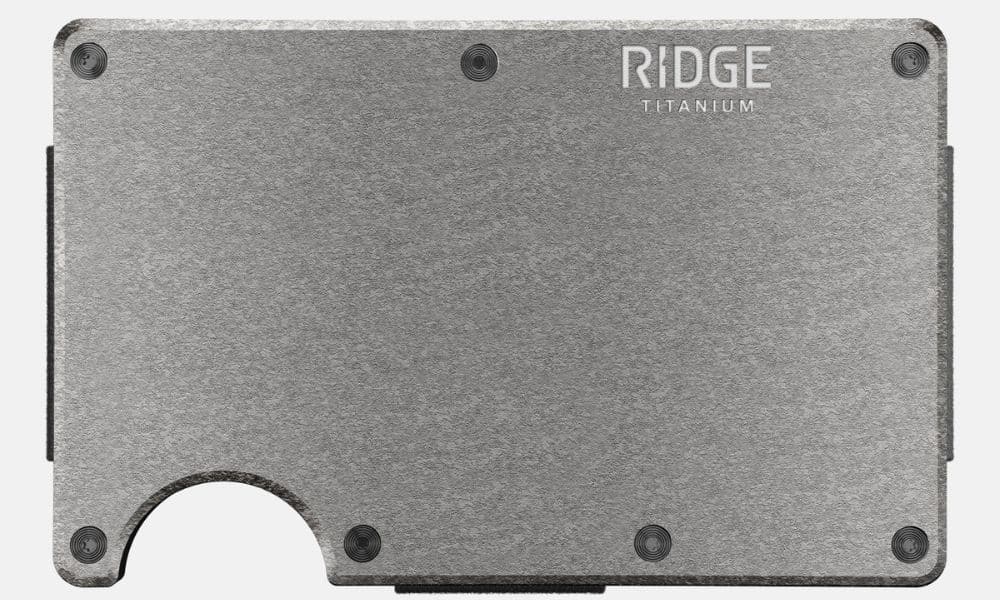
Stonewashed titanium is one of the most common finishes in everyday carry, and for good reason. It is designed to hide wear rather than fight it.
The finish is created by tumbling machined titanium parts with abrasive media. This softens sharp edges and leaves a slightly mottled, matte surface. The result is a finish that diffuses light and disguises small scratches.
In real-world carry, stonewashed titanium ages well. New marks blend into the existing texture instead of standing out. Scuffs and contact points tend to disappear over time, which makes this finish especially forgiving for tools that see heavy use.
Stonewashed titanium also feels less slick in the hand than polished finishes. The subtle texture adds grip without feeling rough, and it resists fingerprints better than smoother surfaces.
For everyday carry, this is often the most practical option. If you plan to actually use your gear rather than keep it pristine, stonewashed titanium is hard to beat.
Bead Blasted Titanium

Bead blasted titanium has a clean, uniform look that sits between stonewashed and polished finishes.
It is created by blasting the surface with fine media under pressure, leaving a soft, matte texture.
Out of the box, bead blasted titanium looks refined and understated.
The surface reflects light evenly and feels smooth in the hand.
This makes it popular for minimalist designs and tools that aim for a modern appearance.
In daily carry, bead blasted titanium tells a different story.
The uniform surface shows wear more quickly than stonewashed finishes.
Contact points, pocket friction, and scratches tend to appear as darker or shinier spots, which can stand out against the matte background.
Over time, bead blasted titanium often develops uneven wear.
Some people like this look, as it creates contrast and character.
Others find it frustrating, especially if they prefer a consistent appearance.
Bead blasted finishes work best for lighter carry and desk use.
For tools that see constant pocket contact or rough handling, this finish requires more acceptance of visible wear.
Polished Titanium
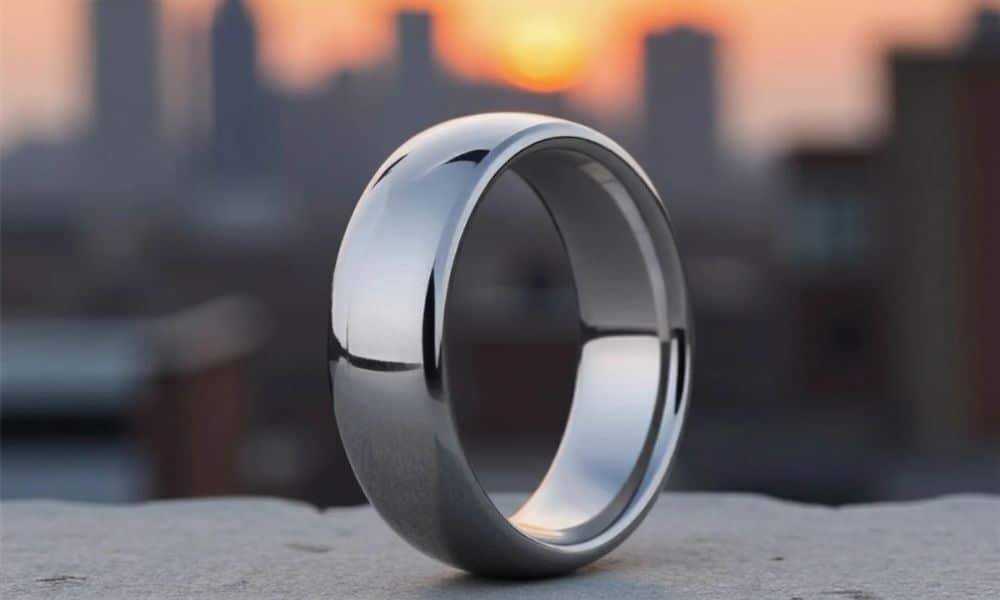
Polished titanium is the most eye-catching of the common finishes, and it is exactly like it sounds.
Polished.
It reflects light easily and highlights the metal’s natural tone.
In product photos, it often looks exceptional.
In everyday carry, polished titanium is the least forgiving.
The smooth surface shows fingerprints, smudges, and scratches almost immediately.
Even light contact in a pocket or on a desk can leave visible marks.
Unlike stonewashed finishes where wear blends in, scratches on polished titanium tend to stand out.
Over time, the surface develops a mix of fine lines and scuffs that change its appearance significantly from when it was new.
That does not mean polished titanium is a poor choice.
For items that are handled carefully or carried occasionally, it can still make sense.
Some people also prefer the worn look it develops, as it reflects use rather than perfection.
For heavy daily carry, however, polished titanium requires a higher tolerance for visible wear.
It is chosen for appearance first, not durability of finish.
Real-World Carry Comparison
When these finishes leave the workbench and enter daily carry, the differences become obvious quickly.
Stonewashed titanium hides wear the best.
Scratches and scuffs blend into the existing texture, and the finish looks largely the same months later as it did on day one.
It is the most forgiving option for constant pocket carry and frequent use.
Bead blasted titanium starts clean but changes faster.
High-contact areas polish themselves over time, creating contrast against the matte surface.
Wear is visible, but not necessarily unattractive.
It simply requires comfort with a finish that evolves unevenly.
Polished titanium shows everything.
Even careful carry leads to visible marks, and the finish shifts quickly from pristine to worn.
Some people enjoy this transformation. Others find it distracting.
In hand, stonewashed and bead blasted finishes offer slightly more grip, while polished titanium feels smoother and slicker.
In the pocket, stonewashed finishes also tend to feel less noticeable due to their softened edges.
None of these finishes are wrong.
The right choice depends on how you carry your gear and how you feel about visible wear.
Which Finish Makes Sense for Everyday Carry
Choosing a titanium finish comes down to how you actually use your gear.
If your tools live in your pocket every day and see real use, stonewashed titanium is usually the most practical choice.
It hides wear well, feels comfortable, and continues to look good even after heavy carry.
Bead blasted titanium sits in the middle.
It offers a clean, refined look at first, but it will show wear over time.
If you like gear that develops visible character and do not mind uneven aging, it can be a good fit.
Polished titanium is best for lighter carry or occasional use.
It looks great when new, but it demands acceptance of scratches and fingerprints.
For people who enjoy the worn-in look, that may be part of the appeal.
In the end, finish matters because everyday carry is about long-term satisfaction, not first impressions.
The right finish is the one that still feels right after months of use, not the one that looks best out of the box.
The way titanium can be finished in different ways is a great thing, and it’s definitely one of the biggest reasons titanium is taking over the EDC world.
If you’re considering titanium for something in the future, you can bet that you’re making a great investment.