


Titanium has quietly become the default material for modern everyday carry.
Not because it is trendy, but because it works better for how people actually use their gear.
A few years ago, titanium felt rare.
It showed up occasionally in high-end knives or specialty pens.
Today, it appears across almost every EDC category.
Wallets, flashlights, pry bars, keychain tools, watches, and accessories are increasingly made from titanium instead of steel or aluminum.
What changed was not the material itself.
Titanium has been used for decades in aerospace, medicine, and engineering.
What changed was how accessible it became, and how clearly its advantages showed up in daily carry.
This shift happened through use, not marketing.
Titanium earned its place by solving problems that everyday carry has always had.
Titanium Compared to Steel and Aluminum in Everyday Carry
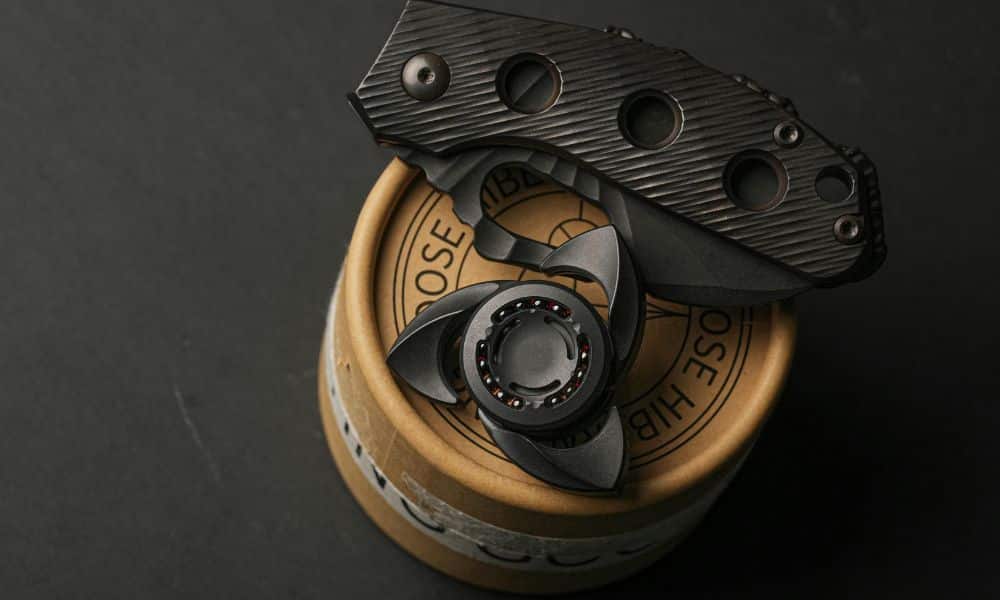
Steel has long been the standard for EDC gear.
It is strong, affordable, and familiar.
The downside becomes obvious with daily carry.
Steel adds weight quickly, especially when multiple items share the same pocket.
Over time, that weight becomes noticeable.
Aluminum sits at the opposite end.
It is light and comfortable, but it sacrifices durability.
Dents, scratches, and wear show up early.
After extended use, aluminum gear can feel temporary rather than dependable.
Titanium bridges that gap.
It offers strength close to steel at roughly half the weight.
It resists corrosion better than both steel and aluminum.
It holds its shape, does not rust, and stays comfortable in the pocket over long periods of carry.
For everyday carry, that balance matters more than raw strength or low cost.
Why Titanium Works So Well for EDC Gear
Titanium succeeds because it solves multiple everyday problems at once.
It is strong enough to inspire confidence without being bulky.
It is light enough to disappear in the pocket.
It resists sweat, humidity, salt air, and rain without coatings or special care.
These are not theoretical advantages.
They matter when gear is carried daily.
Titanium naturally forms a protective oxide layer that shields it from corrosion.
This makes it especially useful for items that live close to the body or are exposed to the elements.
Flashlights, pens, wallets, and keychain tools benefit immediately from this property.
Titanium is also hypoallergenic, which matters for items that touch skin regularly.
Rings, watches, pens, and other frequently handled gear avoid the irritation that some steels can cause.
No other widely used EDC material balances strength, weight, and corrosion resistance as cleanly.
Manufacturing Finally Caught Up to Titanium
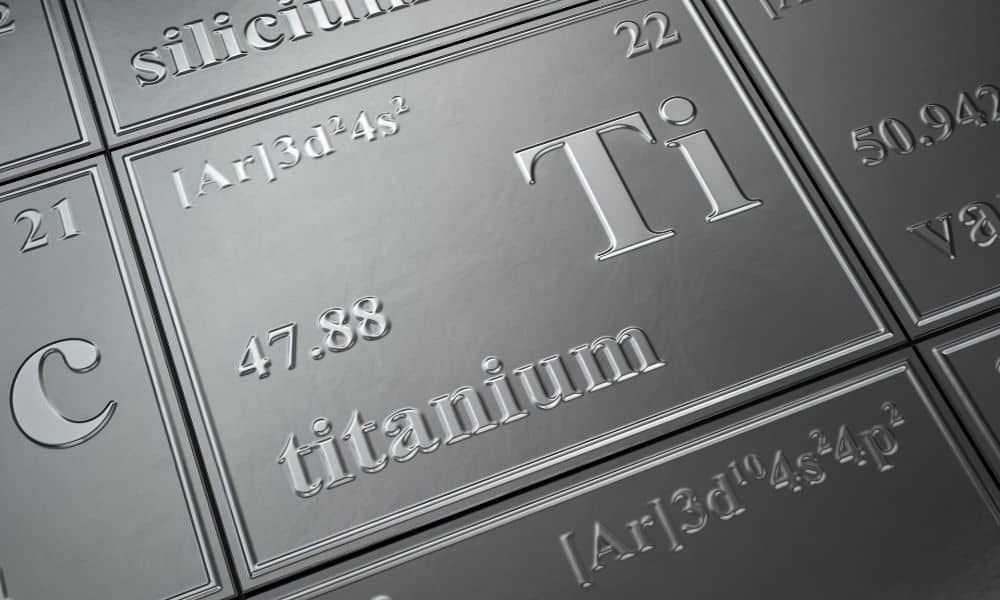
For years, titanium was difficult and expensive to machine.
Tool wear was high, machining speeds were slow, and costs limited its use to large manufacturers or premium products.
That barrier has largely disappeared.
Modern CNC machines, improved tooling, better finishing methods, and more accessible titanium stock have reduced costs significantly.
What was once impractical for small makers is now achievable.
Independent shops can now produce titanium pens, pry bars, wallets, flashlights, and pocket tools at reasonable scales.
Once titanium became easier to manufacture, its adoption accelerated across the EDC space.
Indie Makers and Crowdfunding Accelerated Adoption
Titanium’s momentum did not start with large companies.
It started with small makers and independent designers.
Crowdfunding platforms became early proving grounds for titanium gear.
Pens, keyholders, fidgets, bolt-action mechanisms, and compact tools launched as limited projects.
These products focused on material quality, precision, and longevity rather than mass appeal.
They sold well because they met a real demand.
Enthusiasts wanted gear that felt intentional and lasted longer than disposable alternatives.
Once that demand became visible, the broader industry followed.
The Buy It Once Mentality Fits Titanium Naturally
Everyday carry has shifted toward fewer items and higher quality.
People increasingly want gear that lasts rather than gear that is replaced often.
Titanium fits that mindset naturally.
A titanium wallet does not wear out quickly.
A titanium pen is not meant to be replaced.
A titanium flashlight is built for years of use.
Over time, titanium develops wear that reflects use rather than failure.
As the buy-it-once philosophy gained traction through forums, reviewers, and minimalist communities, titanium became a natural choice.
Small-Batch Production Gave Titanium Its Identity
Many titanium EDC items come from small batch production rather than mass manufacturing.
This shaped how titanium is perceived.
Small CNC shops, independent machinists, and boutique makers brought attention to precision, tolerances, and thoughtful design.
Titanium became associated with craftsmanship rather than commodity.
That association matters.
Steel and aluminum are common.
Titanium feels chosen.
Titanium Feels Different in Hand
Performance alone does not explain titanium’s popularity.
Feel plays a role.
Titanium feels solid without being heavy.
It stays cool to the touch.
It feels balanced and deliberate.
These qualities contribute to why people enjoy using titanium gear, not just owning it.
Everyday carry is personal.
Gear is handled constantly.
The way it feels matters more than many people admit.
Titanium Is Now Everywhere in EDC
Titanium is no longer limited to a few product types. It appears across the entire EDC ecosystem.
Wallets
- Pens
- Flashlights
- Keychain tools
- Carabiners
- Rings
- Watches
- Multi-tools
- Accessories
Once people trust titanium in one item, choosing it again becomes easy.
That familiarity has accelerated its adoption across categories.
Titanium Is Not a Trend
Titanium is not fading.
It is settling into place.
Manufacturing continues to improve.
Costs continue to come down.
Finishing techniques continue to evolve.
What once felt exotic is becoming normal.
Titanium is following the same path stainless steel followed decades ago.
It is moving from premium option to standard material.
Conclusion
Titanium did not take over everyday carry because of marketing or hype.
It took over because it performs better where it matters.
It balances strength, weight, durability, and feel more effectively than any other widely used EDC material.
As expectations rise and manufacturing improves, titanium will continue to define what quality everyday carry looks like.
Titanium is not a fad.
It is the foundation.